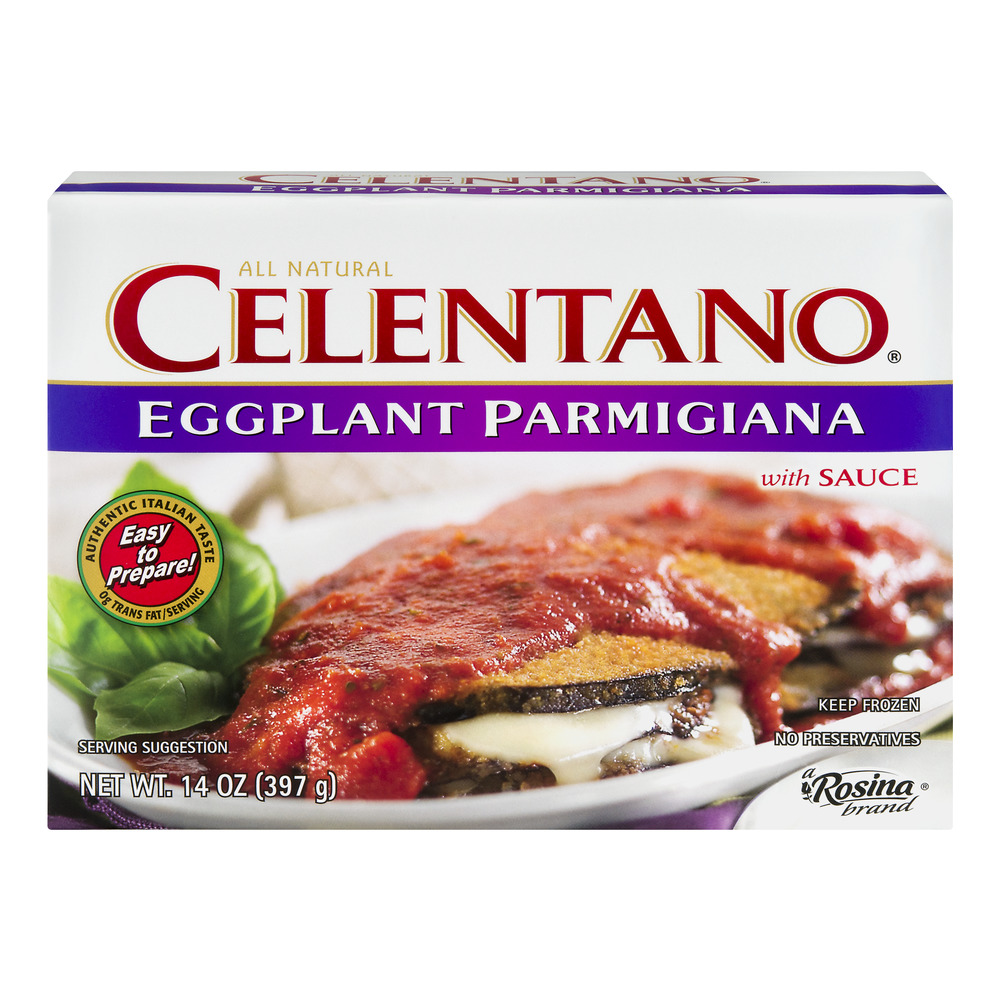
Food and beverage companies frequently provide additional food labels which are not required by the FDA. The labels provide claims about the product such as how the animals were raised, if the seeds for produce are nonGMO or the quantity of whole grain.
Four common healthy food labels include: USDA Organic, NonGMO Project Verified, rBST Free and 100% Whole Grain.
1. The USDA (United States Department of Agriculture) Organic label has been around since 2002 and is an awesome label to ensure your food is healthy.
1. The USDA (United States Department of Agriculture) Organic label has been around since 2002 and is an awesome label to ensure your food is healthy.

Congress passed the Organic Foods Production Act of 1990 to establish national standards. The final rule went into effect in 2002 requiring that organic farmers and processors must be certified by a State or private agency accredited under national standards in order to use the USDA Organic label. USDA.gov
The use of genetic engineering, or genetically modified organisms (GMOs), is prohibited in organic products. This means an organic farmer can’t plant GMO seeds, an organic cow can’t eat GMO alfalfa or corn, and an organic soup producer can’t use any GMO ingredients. Organic meat, poultry, eggs, and dairy products come from animals that are given no antibiotics or growth hormones.
To meet the USDA Organic regulations, farmers and processors must show they aren’t using GMOs and that they are protecting their products from contact with prohibited substances. USDA.gov
In order to make an organic claim or use the USDA Organic Label the final product must follow strict production, handling and labeling standards and go through the organic certification process. The standards address a variety of factors such as soil quality, animal raising practices, and pest and weed control (including Glysophate / RoundUp).
The use of sewage sludge and irradiation cannot be used in USDA Organic foods. USDA.gov
The USDA Organic certification does not allow the use of Hexane which is a highly flammable EPA listed air pollutant that is used in the manufacture of cleaning agents, glues, roof sealer and automobile tires.
The USDA Organic certification does not allow the use of Hexane which is a highly flammable EPA listed air pollutant that is used in the manufacture of cleaning agents, glues, roof sealer and automobile tires.
Hexane is also used in making energy bars, veggie burgers and soy, corn and canola oils. If these food products are not certified organic some of the ingredients have probably been processed with hexane. Since hexane is used in the manufacturing process, it is not listed as an ingredient, though residues find their way into the finished product. MetroSiliconValley
The use of the animal food additive, Ractopomine is also not allowed in USDA Organic products.
The use of the animal food additive, Ractopomine is also not allowed in USDA Organic products.
There are many benefits to eating foods which do not contain pesticides. Pesticides have been found to cause cancer, neurological effects and reproductive effects on farmworkers, their children and other community members who live near farms where pesticides are applied. International Agency for Research on Cancer
Organic grass fed meat and milk have more healthy fats in them, because the animals are raised on grass. In addition organic meat and eggs are raised without growth hormones, unnecessary antibiotics or other additives. FoodPrints
USDA Organic certification is applicable for all food categories: grains, produce, dairy, and meat, poultry and eggs.


NonGMO Project Verified products have gone through strict assessments and programs to minimize the risk of GMO contamination.
While this certification prohibits GMOs it is not as rigorous as the USDA Organic certification. The NonGMO certification does not include any type of restrictions for synthetic pesticides, herbicides such as Glysophate / RoundUp, the use of sewage sludge, antibiotics, growth hormones, hexane or the feed additive, Ractopomine.
Grains, produce, dairy, and meat, poultry and eggs can all be certified NonGMO Project Verified.


It is also known as: rbGH (recombinant Bovine Growth Hormone) or BGH (Bovine Growth Hormone).
Because cows' milk contains some rBST naturally, there is no test that proves milk has come from a cow treated with the synthetic hormone. SuperMarketNews
In order to place the rBST label on food packaging the FDA guidelines require documentation showing that rBST was not given to cows for milk production. SuperMarketNews
There is evidence that the use of rBST can cause an increased risk of mastitis, an infection of a cow’s udder, which is commonly treated with antibiotics. The results of antibiotics found in milk has been linked to increased risk of breast, colon, and prostate cancer. AggieTranscript
The rBST Free label can be found on cottage cheese, milk, and other dairy products.


4. The Whole Grain label is a wonderful label to make sure you are eating healthy grains. The terms "wheat" and "grain" alone don't always guarantee that the product is made with whole grain.

The FDA has not established labeling standards for whole grains. However, the US based Whole Grains Council has created a set of guidelines for whole grain labeling and uses labels on food packaging to help consumers identify approved whole grain products. Food Insight
The Whole Grain label indicates that the grain is "whole" which means it has not been processed, bleached or filtered. Whole grains or foods made from them contain all the essential parts and naturally occurring nutrients of the entire grain seed in their original proportions. Whole grains include the endosperm, germ, and bran. Whole Grains Council
Refined grains, like white bread, are those that are stripped of their fiber and nutrient rich bran and germ parts, leaving only the starchy endosperm. While tasty, these loaves offer little nutritional value. Real Simple
Whole grains are a source of carbohydrates, multiple nutrients and dietary fiber. Wikipedia
Research shows that whole grain products are associated with reduced risk of type 2 diabetes, heart disease, cancer, respiratory disease, and infections. Real Simple
Whole grains can include: amaranth, barley, brown, wild and colored rice, buckwheat, bulgur, cornmeal, farro, millet, oats and oatmeal, popcorn, quinoa, sorghum, spelt, teff, triticale, rye, and wheat. Whole Grains Council
*Note: Make sure to look at the whole grain label closely! In addition to the 100% Whole Grain label there are also the 50% Whole Grain and Basic Whole Grain labels (see photo below).
Whole grains can include: amaranth, barley, brown, wild and colored rice, buckwheat, bulgur, cornmeal, farro, millet, oats and oatmeal, popcorn, quinoa, sorghum, spelt, teff, triticale, rye, and wheat. Whole Grains Council
*Note: Make sure to look at the whole grain label closely! In addition to the 100% Whole Grain label there are also the 50% Whole Grain and Basic Whole Grain labels (see photo below).
The 100% Stamp means that all of the grain in a product is whole grain, while the 50%+ Stamp shows that at least 50% of the grain in a product is whole grain. If a product contains whole grain but less than 50% of the grain is whole, it can qualify for the Basic Stamp. Whole Grain Stamp
These two labels are also healthy but make sure you know what you are buying!
These two labels are also healthy but make sure you know what you are buying!


Given below are four tips on how to use healthy labels to your advantage.
1. Evaluate Price - Look at labels and purchase foods that are within your budget. For example, USDA Organic oatmeal is almost double the cost of NonGMO Project Verified Oatmeal.
2. Investigate Menu Favorites - Research foods that you eat frequently. For example strawberries are known to contain a lot of pesticides so if you eat them everyday you could purchase USDA Organic strawberries. CNBC However, if you eat a lot of bananas it isn't really worth the extra cost to purchase USDA Organic bananas because they are considered to have low to moderate levels of pesticide residue. WebMD
3. Evaluate Ingredients as well as Labels - In addition to looking at the labels also look at the ingredients. For example Organic Bread Of Heaven Rustic Sourdough has only 5 ingredients as compared to 365 Whole Foods Market Organic Sandwich Sourdough Bread which has 16 ingredients including soy lecithin and sugar.
4. Avoid Processed Foods - Processed foods almost always include GMO's because they are often made with GMO corn, soy, canola and/or sugar beets.
This Food Label Summary is a one page document to have on hand next time you go shopping!
2. Investigate Menu Favorites - Research foods that you eat frequently. For example strawberries are known to contain a lot of pesticides so if you eat them everyday you could purchase USDA Organic strawberries. CNBC However, if you eat a lot of bananas it isn't really worth the extra cost to purchase USDA Organic bananas because they are considered to have low to moderate levels of pesticide residue. WebMD
3. Evaluate Ingredients as well as Labels - In addition to looking at the labels also look at the ingredients. For example Organic Bread Of Heaven Rustic Sourdough has only 5 ingredients as compared to 365 Whole Foods Market Organic Sandwich Sourdough Bread which has 16 ingredients including soy lecithin and sugar.
4. Avoid Processed Foods - Processed foods almost always include GMO's because they are often made with GMO corn, soy, canola and/or sugar beets.
This Food Label Summary is a one page document to have on hand next time you go shopping!